







Hospital Information System

With you on every shift.

Patients move between teams, departments and systems throughout their care. Their information should move just as easily.

When it does, staff spend less time filling the gaps between systems and more time focused on the patient in front of them.

Sungroup International HospitalVinmec Healthcare SystemTe Whatu Ora (Health New Zealand)Asian Hospital and Medical CenterAmerican International HospitalFV HospitalKaweka HospitalFranklin HospitalMedPark HospitalChaophya Hospital

Care moves fast. Your systems should keep up.

The gaps between hospital systems show up in everyday work.

A clinician searches for information held somewhere else. An administrator enters details that have already been captured. A patient answers the same question again because the information hasn't followed them.

Amalga helps remove those extra steps, bringing information into the workflow where people need it and connecting with the systems the hospital already relies on.


Amalga patterns.

Change what you need. Share what makes sense.

Hospitals shouldn't have to choose between living with a problem and replacing everything around it.

Start with the most pressing problem.

  • Introduce the Amalga capability you need first, without turning every existing system into part of the project.
  • Keep technology that is still doing its job, with HL7, FHIR and open APIs connecting Amalga into the wider hospital environment.
Man with stethoscope around his neck looks at a tablet.

Share the infrastructure, keep your environment your own.

  • Optionally share the cost of common hosting infrastructure while keeping your own Amalga instance and data separate.
  • Get cost benefits of shared infrastructure whether you're an individual hospital teaming up with other hospitals or part of a wider network.
Woman tying the back of a hospital gown behind her head.

Hospital change looks different from the inside.

A technically sound system can still create problems if it doesn't account for the people using it and everything that has to keep running while it changes.

That's why the experience behind Amalga matters.

People who have sat on your side of the table.

  • Work with people who understand hospital decisions from an operational and clinical perspective, as well as a technology one.
  • Our leadership includes people who have run major private hospital groups alongside people who have spent their careers building hospital systems.
Two people looking at a tablet together.

50+ implementations change how you approach the next one.

  • Bring lessons from more than 50 hospital implementations into how change is planned and introduced.
  • Look beyond whether the technology works to what will change for the people, processes and systems around it.
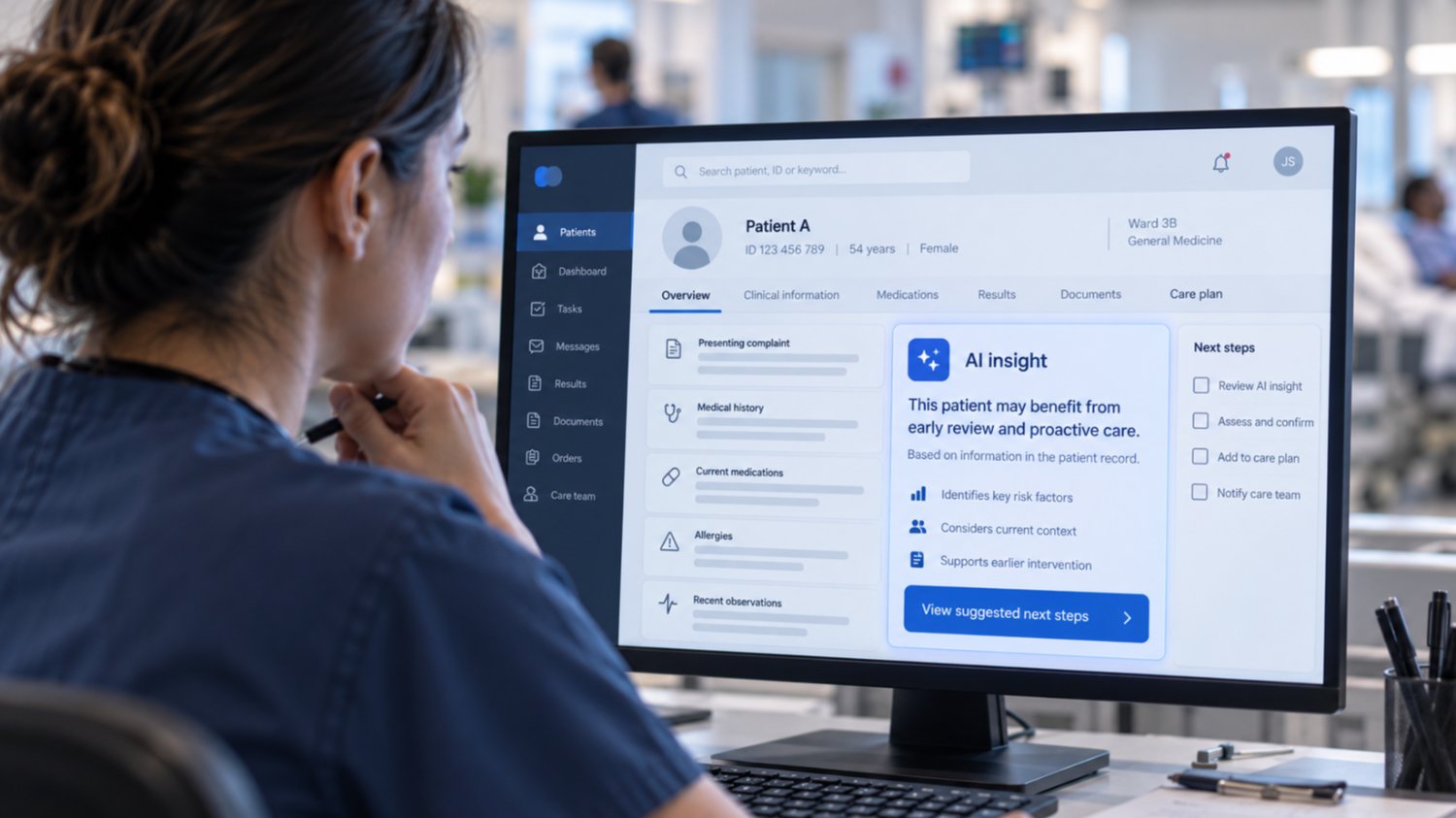
Nurse looking at screen with Patient A information and AI insights.

What this looks like at hospitals.

25%
time saving in admin
Trusted AI workflows
built on connected data at Asian Hospital & Medical Center
9 → 1
systems into one

What would you change first?

You probably already know where your systems are creating unnecessary work.

Talk to people who understand hospitals about what it would take to fix it.