

PRIVATE HOSPITAL GROUPS
Grow the group. Not the complexity.
What you establish at one hospital should give the next a head start. Create common ways of working across the group, while keeping the differences each hospital genuinely needs.
What works as local flexibility can become complexity across ten hospitals.
When each hospital starts with its own requirements, configuration and workflows, the differences accumulate.
Implementation work gets repeated. Rollouts take longer. Staff moving between hospitals encounter different ways of working. Information is captured differently. Comparing performance across the group gets harder.
As the group grows, the decisions already made at one hospital should make the next implementation easier.
Build once. Rollout across the group
Turn the first rollout into a head start for the next
Establish the core system and workflows at the first hospital in around six months, rather than heavy year long projects.
Use that work as the starting point for each hospital that follows.
Standardise 80%. Adapt 20%.
Establish common workflows for the work hospitals share.
Adapt for genuine differences in services, processes and local requirements.
Keep customisation for where it's needed, rather than redesigning standard processes hospital by hospital.


Share infrastructure. Keep each hospital’s data separate.
Give each hospital its own database and URL.
Keep each hospital's private data separate while sharing hosting, network and hardware.
Add hospitals without creating separate infrastructure for every site.
See across the group
Capture information more consistently across hospitals.
Compare activity and performance without first reconciling different reporting approaches.
See where hospitals are operating differently and decide whether that difference is intentional.

Support growth without multiplying complexity
Hospitals within the same group don't have to start with the same technology. They may already use different clinical, diagnostic, financial and specialist systems.
Amalga supports HL7, FHIR and APIs, so systems that are still doing their job can remain. Standardise what should be common across the group, retain the differences that serve a purpose, and bring each additional hospital on without replacing or recreating everything around it.
What changes when work is connected
At Franklin Hospital, paper records and disconnected systems made patient information harder to access, added administrative work and increased the risk of charges being missed.
With Amalga, patient information and workflows are connected
across the hospital.
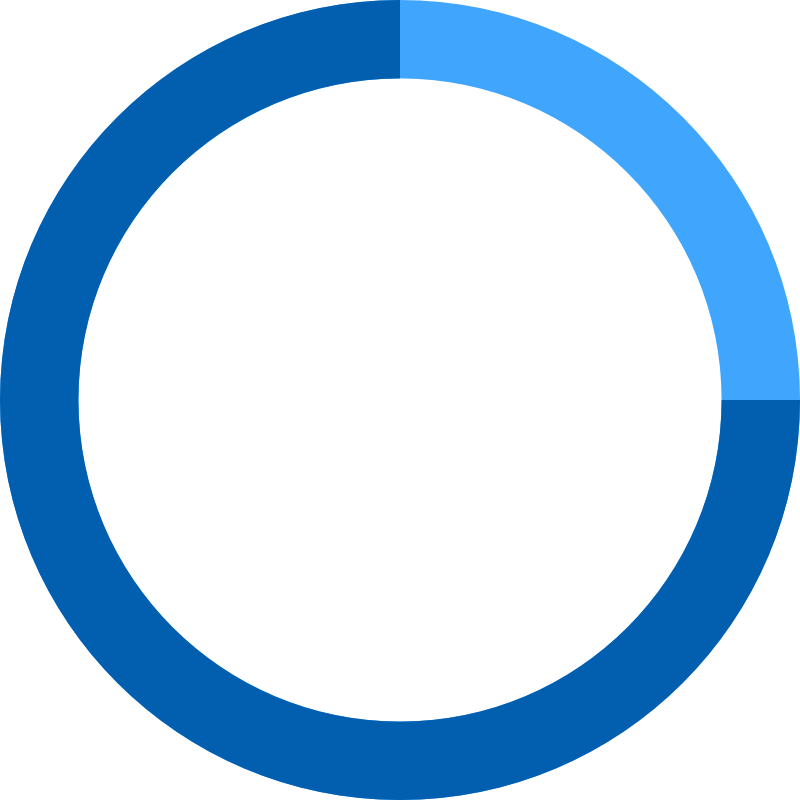
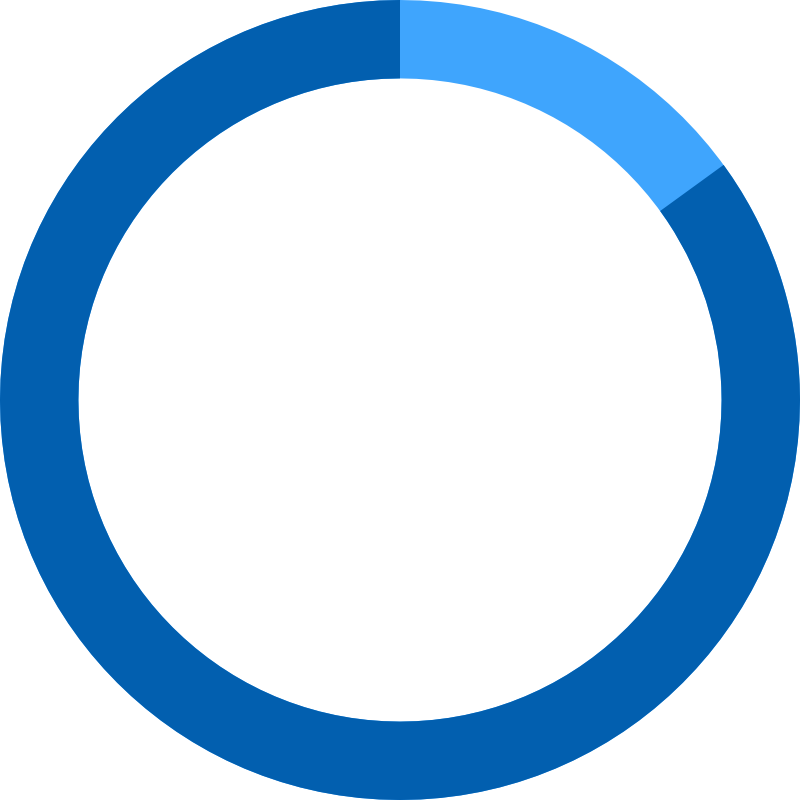
25% reduction in administration
processing time
15% improvement in revenue capture
Got questions about how Amalga works across hospitals groups?
-
Amalga allows a private hospital group to establish common workflows at its first hospital and use them as the starting point for each hospital that follows. Each hospital has its own database and URL, keeping its private data separate while sharing hosting, network and hardware. Workflows can still differ where an individual hospital genuinely needs to work differently.
-
A first Amalga hospital implementation typically takes around six months. Once the group's core workflows and configuration have been established, a subsequent hospital can typically be introduced in around one month, depending on scope, integrations and site requirements.
The next hospital starts from work already completed rather than repeating the implementation from the beginning.
-
Yes. Amalga's approach is to standardise around 80% of hospital workflows while adapting the 20% that genuinely needs to differ because of services, processes or local requirements. This gives a private hospital group consistency where it matters without requiring every hospital to operate identically.
-
No. A private hospital group can establish common ways of working across its hospitals while introducing different Amalga capabilities where individual hospitals need them. Hospitals do not all have to change at the same time or in exactly the same way.
-
Yes. Amalga supports HL7, FHIR and APIs and can integrate with existing clinical, diagnostic, financial and specialist systems. This allows a private hospital group to create more consistent workflows while retaining systems that still meet the needs of individual hospitals.
What’s next for your hospital group?
Whether you're adding another hospital or looking at how the existing group works together, start with what you already have.